FIRST STEPS FOSTERING COURSE PREVIEW
You’re viewing the first module in this course section. This course section has 7 parts. Register for free to read it within the full First Steps course, save your progress, use quizzes and continue through the remaining modules.
Reasons why some children need foster homes
Children may come into foster care for many reasons, including neglect, abuse, parental substance misuse or mental health difficulties, family breakdown, illness, imprisonment, homelessness, bereavement, exploitation, or seeking safety alone in the UK. Whatever the circumstances, the priority is the child’s safety, wellbeing and need for stable, nurturing relationships.
Some children need short-term care while plans are made; others need longer-term consistency and belonging. Foster carers can help children feel safe, understood and cared for without judging their families.
Modules in this course section
- FOSTERING: 1. Neglect — 9 minutes
- FOSTERING: 2. Physical abuse — 10 minutes
- FOSTERING: 3. Emotional Abuse — 8 minutes
- FOSTERING: 4. Sexual abuse — 11 minutes
- FOSTERING: 5. Safeguarding — 9 minutes
- Next Steps... — 1 minutes
- Want to know more? — 1 minutes
Preview this first module, then register free to continue through the full section.
FOSTERING: 1. Neglect
Do we have text for here?
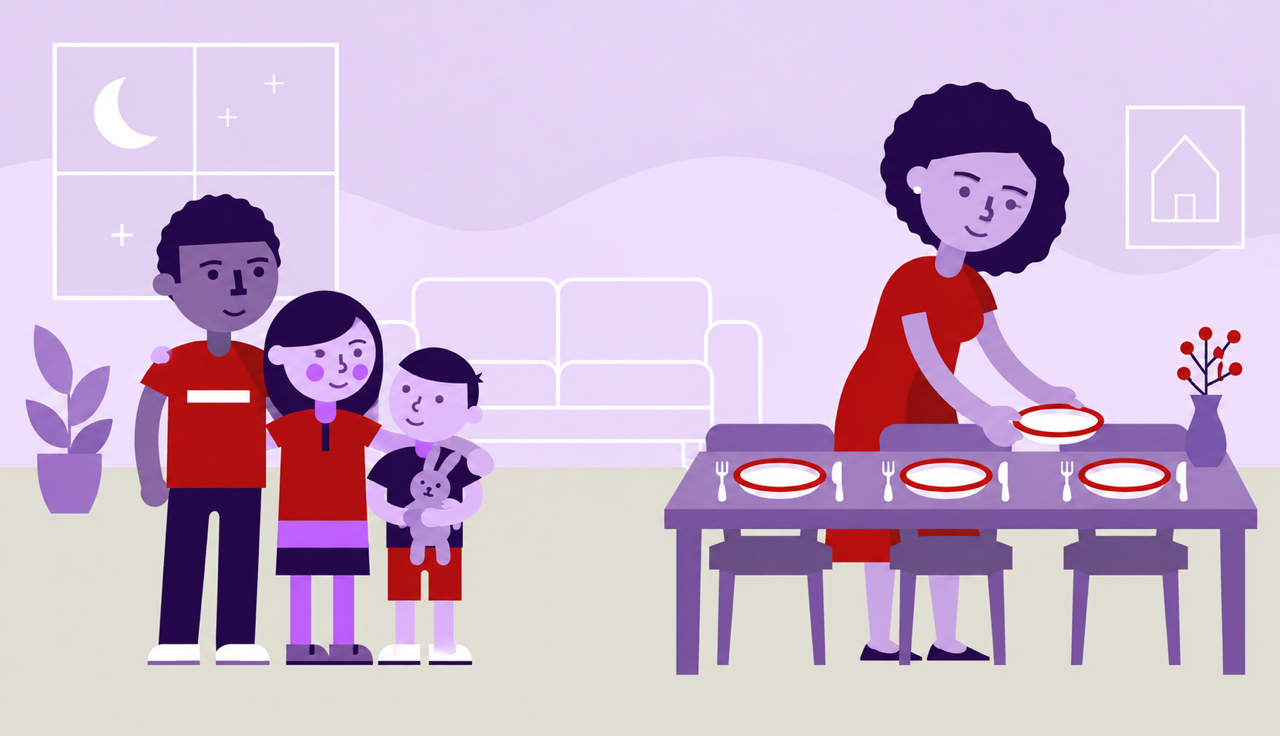
Case Study: Tania, Sharee and Max
There had been concerns about how Tania, Sharee and Max’s needs were being met over a number of years. Their mother, Lorna, has learning difficulties and, with support, had managed reasonably well following the birth of Tania. Over time, the family experienced increasing pressures, including relationships that did not always provide the safety, stability or support that Lorna and the children needed.
After Dean joined the household, Lorna became pregnant again and Sharee and Max were born in quick succession. Lorna found the demands of caring for three young children increasingly difficult, and the children’s day-to-day care was not always consistent. Their bedding was not changed regularly and there were times when they went for long periods without food. Health visitors tried to support and monitor the family, but routines around mealtimes, sleep, hygiene and supervision remained difficult to sustain, and concerns for the children’s wellbeing increased.
Neighbours raised concerns that Tania was asking for food and that the children were often heard crying late into the night. Dean found it difficult to accept professional advice and appeared to experience concerns about the children as criticism. There were also arguments in the home, and the police were sometimes called. When the children were 6, 4 and 3 years old, the local authority decided that they had to live with foster carers. Efforts were made to identify family members who could care for the children, but this was not possible at that time. The children therefore remained in foster care while professionals and the court considered the arrangements that would best meet their needs.
https://corambaaf.org.uk/books/working-children-who-have-experienced-neglect

Learning from Research Expressions of self
Testing the Quiz Snippet
The following questions will help you think about the care Tania, Sharee and Max will need whilst being fostered with attention to safety, stability, sibling relationships and each child’s individual needs.